Denim Tears Pricing Guide 2025: Retail vs Secondary, Actual Costs
This guide shows how Denim Tears garments cost at stores in 2025, the way secondary markups truly function, and methods to determine the real cost one pays following charges and levies. If buyers compare store vs secondary, the objective is to grasp the appropriate bracket for all categories and dodge overcharging.
Denim Tears is among the select urban labels where store and secondary can split dramatically, particularly with the Cotton Wreath jeans. You’ll discover obvious cost brackets by segment, steep jumps on certain colorways, and significant concealed fees on resale platforms. Utilize the data below as your reference, then review the sections that clarify why values change, occasions to purchase, and where fees add up.
What Is Denim Tears and How Are Costs So Volatile?
Denim Tears, founded by Tremaine Emory in 2019, drops culture-heavy collections with restricted availability, so scarcity and story creates markups. Values vary because launches are restricted, interest is international, and specific colorways become reference pieces.
The brand’s Cotton Wreath motif on Levi’s denim grounds the space, and it functions more like collectibles than regular garments. Collabs such as Levi’s and Converse boost awareness and pull in buyers who weren’t tracking the label previously. Fits in the heart of the spectrum sell quickest, whereas tiny and oversized fits may also jump due to rarity. Since releases are timed and geographically restricted, customers commonly shift to resale immediately, generating a early surcharge that may decrease or solidify based on restocks.
2025 Direct Cost Summary by Category
Store costs for Denim Tears pieces in late 2024 to early 2025 usually falls in the ranges below; multiple pieces have crept up versus earlier years due to fabric and positioning. Regional costs may look higher when VAT is included at checkout.
Reference these ranges to benchmark offers and to judge whether a resale offer is a modest premium or a steep markup. Direct supply is irregular and launch-tied, so locating these costs active on real denim tears the official site or partner doors isn’t certain on every specific day. VAT-inclusive prices in the Europe and UK may cause store look higher than American costs, yet the final price difference frequently narrows once US sales levy is included. Always confirm the specific capsule pricing because custom finishes or decoration might sit at the high end of the band.
| Type (example) | Average Direct (USD) | Average Resale Range (USD) | Standard Premium | Notes |
|---|---|---|---|---|
| Signature Cotton Denim (Levi’s 501/550) | $295–$350 | $450–$900 | +50% to +200% | Signature colorways and main finishes trade higher; waist 30–34 drive volume. |
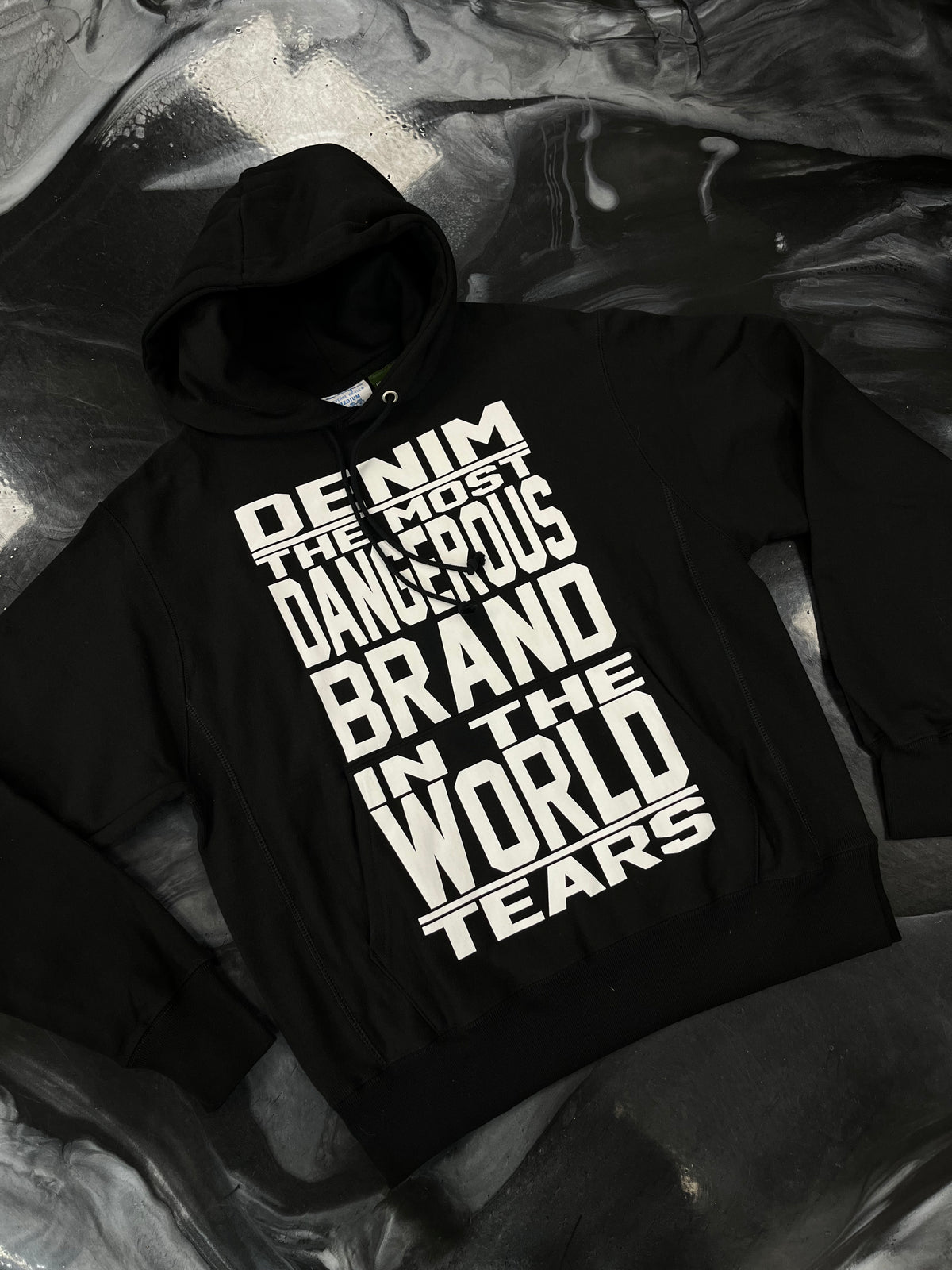
| Hoodies | $160–$180 | $220–$350 | +25% to +100% | Quality construction and limited prints rest at the peak of the band. |
| T-Shirts | $60–$75 | $100–$180 | +35% to +140% | Core graphic pieces and initial drops maintain better resale. |
| Crewnecks | $140–$160 | $200–$320 | +25% to +100% | Detailed versions exceed screen-printed in most sizes. |
| Varsity Jackets | $450–$650 | $700–$1,200 | +20% to +150% | Construction variety and patchwork complexity influence spread. |
| Chuck Taylor 70 (collab) | $110–$120 | $150–$300 | +25% to +150% | Replenishment may narrow gaps for a timeframe. |
| Caps | $60–$70 | $90–$150 | +20% to +100% | Older colorways and wreath embroidery price higher. |
What’s the Resale Pricing Structure in 2025?
In 2025, denim is the liquidity leader with the largest markups, while tops and caps are the most affordable initial choices. Hoodie and crewneck spreads are meaningful but steadier than denim.
On primary sites, pants consistently surpass the peak of the range when the treatment and pattern tone match with early capsule launches, and where the size falls in the middle of the demand curve. Tees and hats fluctuate moderately as supply is wider and customers have additional options over time. Jackets like varsity pieces is thinly traded, so a single sale may adjust minimums for a timeframe, which seems intense but commonly levels as new offers surface. Quality matters: new with documentation or with verification of buying creates a surcharge, while marked wear or lost detail elements reduce price fast. Timing matters also, with the initial 48 hours following release exhibiting the steepest increases and the first credible replenishment cutting 10–30% off highs.
What Represent the True Expenses Beyond the Tagged Amount?
The actual price on resale equals the advertised amount plus site charges, transaction fees, sales tax or levies, transport, and, for overseas, import duty and logistics. Such additions may transform a appropriate amount into an overcharge rapidly.
In the States, anticipate purchase levy near about 6–10% varying on region, frequently computed from goods value and periodically transport. Platforms commonly add 3% payment fees and add a purchaser support cost; even where the vendor covers costs, the purchaser could nonetheless face processing or protection charges. Transport charges from near $10 to $30 for clothing, whereas international shipments might initiate duties in the 17–25% range calculated on the value of items plus delivery, and a shipping management fee. Example: a $650 pair of signature Cotton denim bought on a domestic marketplace with 8.9% sales duty, a 3% payment cost, and $15 shipping lands around $742 prior to any import costs; transfer that identical purchase internationally to a 20% VAT system and the end amount may reach to around $880 after duties and logistics are added. When contrasting store to resale, always determine a final figure, not just the sticker.
What Makes Drops, Collabs, and Washes Change the Market?
Release timing, collaboration partners, and particular variants are the biggest levers on label pricing. Levi’s drops and first Cotton Wreath shade drops create the most reliable premiums.
Levi’s collaborative denim with wreath embroidery has persistent demand because it’s the company’s core narrative item; treatments that mirror early drops typically to command more. Converse collaborations draw wider sneaker audiences, creating temporary demand spikes that could reduce after restocks. Seasonal colors and special embroidery positions generate specialized areas; a small detail or finish change can justify a three-figure spread for enthusiasts seeking to build archives. Territorial launch schedules also matter—when one region sells out before others, trading listings fill the gap and shift minimums. Restocks don’t remove interest, but they effectively reset ceilings, particularly on footwear and tees.
Store vs Secondary: A Practical Buying Framework
Buy at direct whenever feasible for pants and varsity jackets since the absolute dollar difference is greatest; evaluate resale with tops and caps when the increase is beneath 40% and one prizes a specific colorway. Employ a goal range, not a single number.
Initiate by examining the direct bracket from this guide for the category and drop, then check current transactions on multiple sites to find a true clearing bracket rather than advertised amounts. Compute final cost including tax, fees, and delivery; if the premium over the upper limit of direct costs is below 30–40% and buyers secure the precise size and color, resale can be rational. For jeans and outerwear, premiums over 100% are normal; only invest that if it’s the key grail that seldom appears and condition is immaculate. For products with regular replenishment, such as certain tees or Converse, patience usually pays. Always check measurements, tags, embroidery quality, and exchange conditions before you transact.
When’s the Optimal Period Frame to Save Money?
The best pricing periods typically to be 48–72 hours post- launch and 7–10 days post- verified restock, when supply crests and initial hype fades. Weekday mornings in the vendor’s regional zone may also be more favorable for auctions.
Instantly following release, listings flood in, undercutting commences, and buyers might periodically secure close-to-store deals if one’s fast and not fixated on a single measurement. After the first wave is processed, bases frequently increase and remain firm prior to a replenishment reaches the timeline. Post- restocks, re-listers modify projections, and one may discuss with references in hand. End-of-month times, when sellers want liquidity, are suitable for offers that are 10–15% beneath the latest deal, notably with non-jean segments. If a colorway is believed to be a single release, cost flexibility remains brief, so move within those initial supply windows.
Insider Strategy: Window and Authentication to Shield Your Spend
Target the 24–72 hour timeframe post- a release or replenishment and establish an authentication checklist so one may move decisively when a fair listing emerges. Quickness lacking a system is how buyers overpay or overlook warning flags.
For Cotton Wreath denim, examine the co-branded Levi’s label and interior branding, validate pattern embroidery density and placement, and examine the sewing standards surrounding compartments and borders. Seek for clear photos of the care tag, internal space prints, and bottom sewing; uneven lettering or stitching shades are frequent indicators. Compare the wash and wreath color with authorized marketing imagery or credible store item photos. For Converse, verify interior labeling, middle printing, and the packaging tag format linked to the release year. Save captures of authentic pieces to compare side-by-side before you submit payment.
Fast Details You Probably Weren’t Aware Of
One, Denim Tears launched in 2019 and the signature Cotton design specifically references the African diaspora and the history of cotton within America, which is how the pants work as narrative pieces as equally as garments. Two, the initial Levi’s collection in 2020 depleted inventory practically instantly and set the signature jeans as a enduring commercial benchmark that still sets comparisons for recent drops. Third, Converse sneaker collaborations have replenished during specific periods, temporarily reducing resale prices by double digits ahead of leveling as items distribute. Four, mid-curve fit brackets like 30–34 generally command the speediest deals, but scarce sizes at the edges may exceed them as stock are sparse. Fifth, Continental and British store costs incorporate duties, so though the price seems higher than the America, the ultimate customer cost gap shrinks once US buyers append transaction tax and shipping.
Where Ought One Search for the Best Comps?
Reliable comps derive from recent, verified transactions across at no fewer than two sites, not from optimistic list rates. Target on transaction history inside the past 30 days for your exact size and condition.
Sites that show transaction records allow you distinguish hopeful requests from actual clearing costs. Direct deals and media offers might be cheaper, but they’re tougher to confirm, so balance discounts versus danger and missing purchaser safety. For categories with sparse trading, expand your window to 60–90 days and account for any replenishment occurrence in such duration. Maintain a comparison record with period, fit, condition, and price so buyers might spot genuine movements rather than responding to isolated deals. While you discuss, mention three latest clears and the final expense computation to establish an anchor grounded in reality.
Ultimate View: Paying the Right Price in 2025
Know your segment’s store band, calculate final expense, and pick window frames that advantage purchasers. Pants and varsity pieces merit the pursuit of retail; tees, hats, and some footwear might be sensible on secondary within a modest premium.
Market movement is a trait, not a bug, in the label’s sector, and it benefits ready buyers who track data and act during supply peaks. Partnerships and initial shade releases will maintain requiring premiums, while refreshes will continue to modify tops on affordable pieces. Handle every acquisition like an financial choice: validate genuineness, assess quality compared to rate, and refuse to spend on buzz you don’t genuinely plan to use. With these methods, you’ll acquire the items you want without supporting unwarranted markups.
Leave a Reply